
The Price of Prescriptions: Getting it Right
Drug companies face new hurdles in a rapidly changing marketplace. How do they finance new drug development amid the uncertainty?
How much is a prescription medicine really worth?
For patients suffering from cancer or other severe illnesses where the right drug is a matter of life or death, no price is too high. Someone with a mild case of psoriasis or acid reflux, on the other hand, might think twice before paying too much.
For the scientists and pharmaceutical researchers who develop drugs, the investors who risk money to produce them, and the various organizations and governments that pay for them, defining the real value of medicine is a lot more complex. Biopharmaceutical firms and their investors today are facing an especially daunting range of market uncertainties, regulatory headwinds, and demands from politicians and pinched consumers.
For example, with the passage of the Inflation Reduction Act (IRA) in 2022, pharmaceutical companies–for the first time in U.S. history–will face government controls on the pricing of popular drugs. By the end of the decade, Medicare will impose price limits on dozens of the most widely prescribed therapeutics, such as Xarelto, Jardiance, and Stelara, under the new law.
Further complicating the landscape are steeply rising costs and rapid shifts in the marketplace. Labor, raw materials, and transportation costs are spiraling. The pandemic also stressed drug development supply chains and increased the urgency to develop expensive new technologies such as cellular and gene therapy.
As a Congressional staffer, a provider consultant, and an economist who has spent decades working on challenges like these at Pfizer, I appreciate how shifting market realities have buffeted the C-suites of established pharmaceutical companies firms while payers and policymakers have grown increasingly frustrated with costs and access.
Real-world performance
What could a solution look like for the industry, patients, and payers where everyone comes out better than under the status quo, and what is stopping us from implementing such a solution?
The answer lies in taking a fresh, data-driven approach to the thorny problem of finding the right price for new medicines.At the center of this new comprehensive approach is more accurately assessing how new therapies will perform in the real world for specific groups of patients, and for all parties to agree that valuable treatments that are proven to have worked are worth the full price. Fortunately, we have the tools and expertise to make these assessments.
Today, we can quantify the risks surrounding new technologies, predict how real patients will receive new treatments, and calculate the potential financial returns with a degree of accuracy that was not possible even a decade ago. Understanding and predicting that value can pave the way for biopharmaceutical companies to accept more performance risk in the pricing paradigm and for payers to use the savings from treatments that disappoint to fund higher payments for those that do.
Those same predictive tools can help investors and leaders to estimate the relative size and characteristics of a potential market for a new drug and predict how patients with varying levels of disease will adopt a new therapy. We can use clinical trial data to forecast the best target audience. We can accurately analyze how financial risks and variables related to a drug might change under different regulatory frameworks.
An octopus with no arms
In healthcare, there’s an infinite amount of data out there. The question is: what can we do with it? You can data mine to look for patterns, and use it to create some kind of machine learning platform. But all that data is based on past conditions, and if we know anything about the pharma world, we know it is changing profoundly. Drug companies need bottom-up models that reflect real experience in the clinical marketplace.
My old boss at Pfizer, Frank D’Amelio, used to say that as chief financial officer, he was like the brain of a great octopus whose arms constantly fed him information about every branch of the company. Those data helped us set the value of medicines and the prices we charged based on the needs of customers, the company, and shareholders. Unfortunately, a lot of startups and smaller biopharma firms aren’t financial octopi. They’ve got to solve the price conundrum with a lot less resources than Pfizer. They’re an octopus with no arms, yet they are arguably the future of medicine.
If you’re the CEO of one of these smaller firms, you might try to figure out the price of a promising new gene therapy, for example. The market might expect you to guarantee the performance of your expensive product, or your competitor might be willing to do so. You have some resources, but you’ve got to use them efficiently. You desperately need some good objective advice on pricing. You want to know, for example, where your new company’s new drug fits in the pantheon of other launches.
The best real-world data
Software solutions and newer, cost-effective models can bridge that gap. Recently developed tools and models can help show you, for example, where your company’s vulnerabilities are, what your faulty financial assumptions might be, how the reimbursement environment might be in five years, or where you may need clinical data as you pursue licensing.
If you’re planning a product launch, or investing in one, you want to quantify risks and gather the best real-world data possible. Obtaining this information to understand pricing and the related math is not only important to the profit and loss picture of drug companies. It’s vital for future innovation. Revenue risks for drug producers can directly affect the development of new medicines and treatments.
Measuring the value of new medicines is hard. We have the tools to do it properly, however, in ways that save lives and resources that fuel more innovation for future generations.
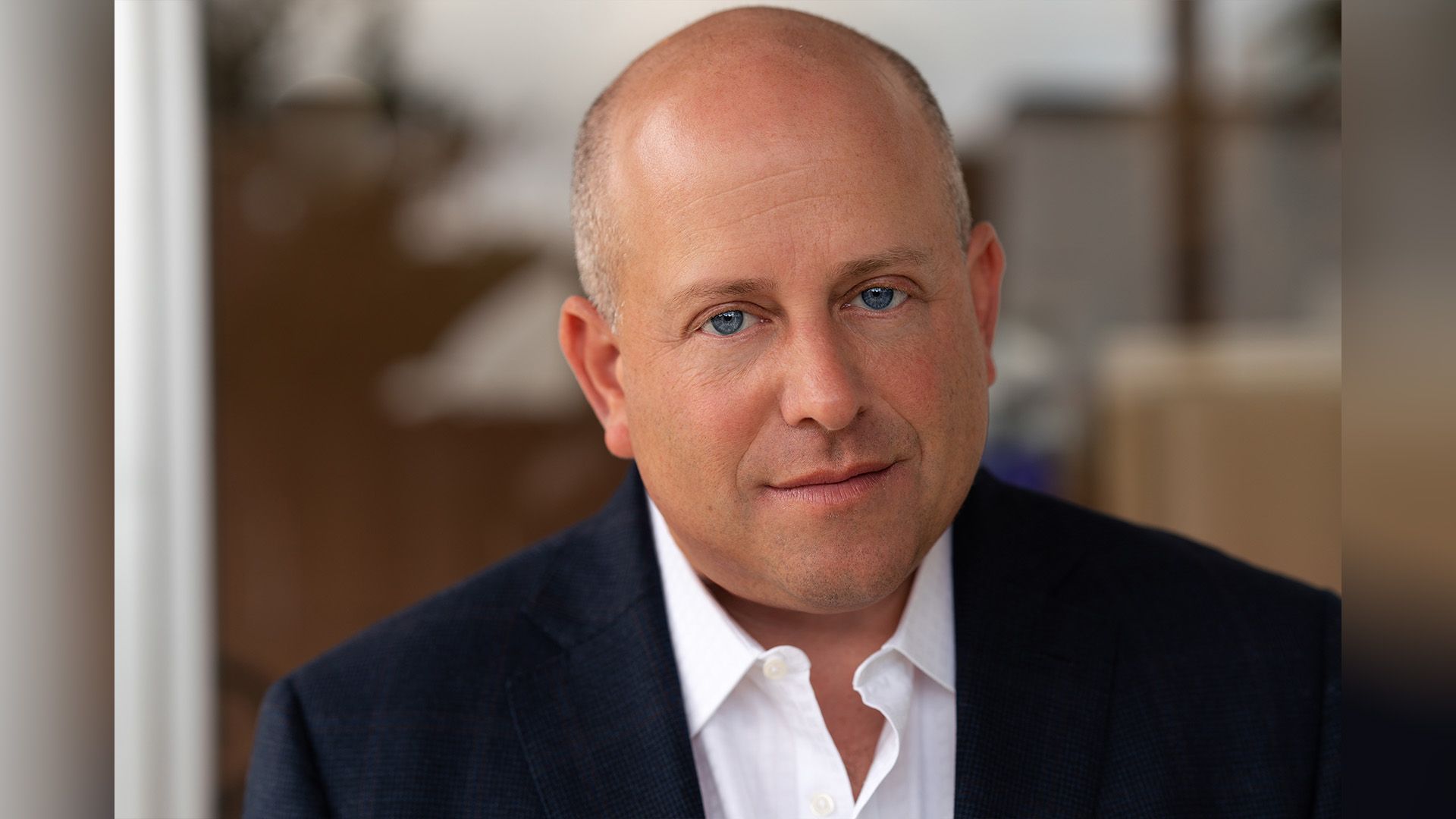
Neal Masia is an Adjunct Professor of Economics and Management at Columbia University and former Chief Economist at Pfizer Inc. He is Co-Founder and CEO of EntityRisk, Inc.
Leave a Reply