
)
London clinic claims to remove microplastics from body for Rs 13.5 lakh. What is the procedure? – Firstpost
Microplastics are now being found in almost every part of the human body, from the brain to the heart.
A 2019 study in the journal ‘Environmental Science & Technology’ estimated that an average person takes in about 39,000 to 52,000 microplastic particles each year.
ALSO READ |
Love chewing gum? You’re probably ingesting microplastic particles, research says
As more people become aware of the problem, the demand for proven solutions is growing.
London-based Clarify Clinics says its Clari procedure can remove between 90 and 99 per cent of microplastics from the blood.
But how is the treatment done? And, does it really work?
Find out here:
What are microplastics?
Microplastics are pieces of plastic measuring between 1 nanometre and 5 millimetres across. To put that into perspective, a nanometre is a tiny fraction of the width of a human hair, while 5 millimetres is roughly the width of a wedding ring.
They have been detected in many places, from the ocean to seabirds, and can build up as they move through the food chain.
Microplastics have also been found inside the human body, though the exact impact they have is still uncertain.
Researchers are continuing to study the possible effects, but early findings have linked them to inflammation, organ damage, reduced reproductive health and cancer, according to The London Standard.
How does the process work?
A clinic in London says it can clear microplastics from the blood for $13,000 (about Rs 13.5 lakh).
The clinic operates from a 19th-century townhouse near Harley Street and is run by American father and daughter David and Yael Cohen.
They claim their Clari procedure can take out between 90 and 99 per cent of microplastics from the bloodstream.
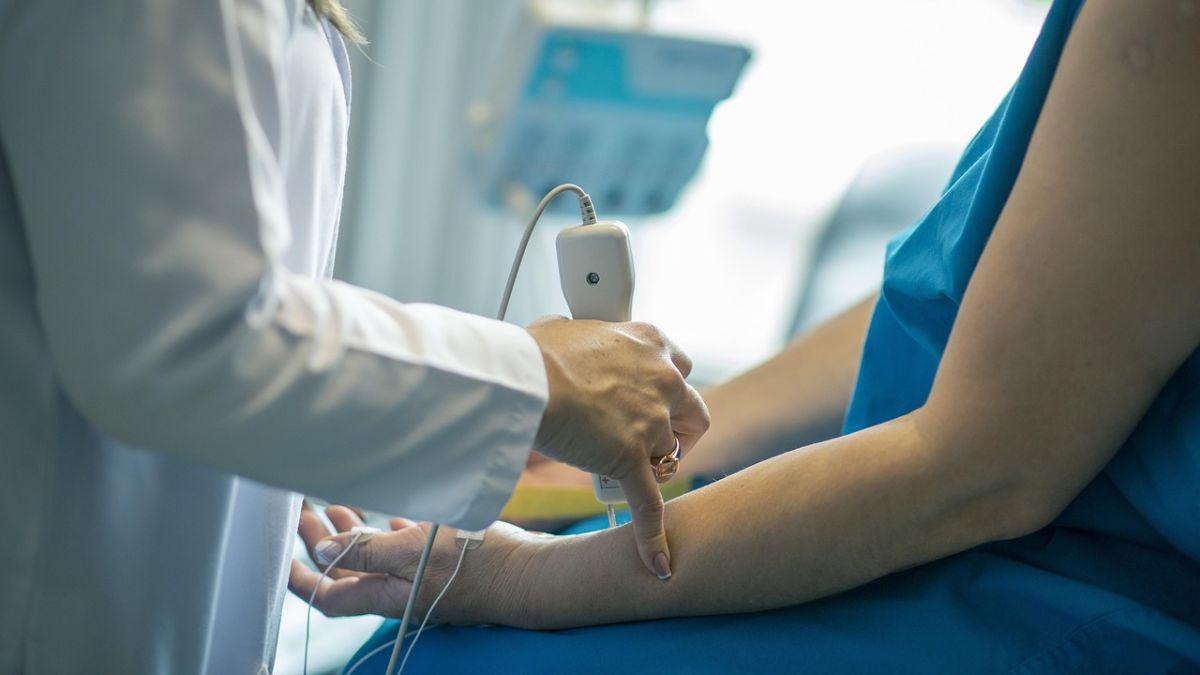
According to The London Standard, the process begins by connecting clients to a cannula so that their blood can be channelled into a machine. This machine separates the red and white blood cells from the plasma, which carries microplastics and other toxins such as pesticides.
This step, called apheresis, is a medical process where a machine removes specific parts from the blood and returns the rest to the body.
The plasma then passes through the “Clari column”, a device developed by biotech company Marker Health, which traps the unwanted substances.
Unlike Therapeutic Plasma Exchange (TPE), the plasma is not mixed with any additives, allowing it to retain its immune function, electrolytes, clotting ability and cell communication signals.
After this stage, the cleaned plasma is combined again with the blood cells and returned to the patient.
The clinic says the process keeps all vital components of the blood intact while getting rid of the pollutants that may have built up over time.
The service is costly, with one two-hour session priced at £9,750. The founders suggest between one and three sessions annually to help keep microplastic levels low.
Speaking about the high cost, Yael told the publication, “It’s absolutely something that keeps me up at night, having spent the last 15 years of my life in the non-profit space.”
Each session lasts about two hours, with a nurse present and a doctor checking in. As both arms are in use, movement is limited, but clients can watch television, read or relax.
Recently, actor and singer Katy Perry’s former fiance Orlando Bloom posted on Instagram about undergoing the procedure, showing himself connected to the machine and calling it the “newest way” to clear these particles from the body.
Orlando Bloom reveals he has undergone chemical treatment to remove microplastics from his body
(Source: OrlandoBloom) pic.twitter.com/Q9kZCwoUuK
— Sofia Coppium (@indianloonie) June 15, 2025
Does it work?
While the thought of removing microplastics from the blood is appealing, particularly with increasing concerns about their health risks, the treatment comes at a high cost, and its long-term benefits remain unclear.
At present, there is limited peer-reviewed evidence showing that this method can successfully remove microplastics from the body and lead to better health.
Although the idea makes sense in theory, experts say far more independent, large-scale studies are needed before such treatments can be seen as proven rather than experimental, NDTV reported.
With inputs from agencies
Leave a Reply