
)
How warming planet could trigger spread of fungi that could ‘eat you from inside out’ – Firstpost
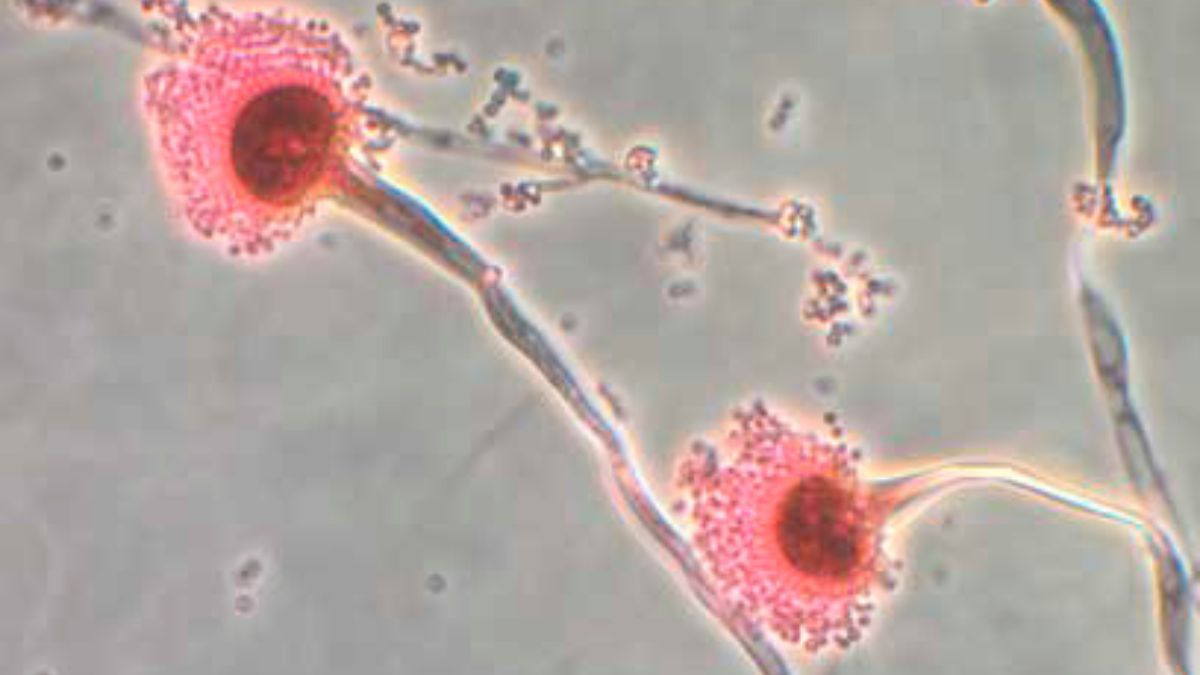
Scientists from Manchester University have projected that Aspergillus, a common group of fungi present globally, could spread to new regions as the world heats up. These moulds can cause aspergillosis, a lung disease that could spread to other organs, including the brain
read more
A deadly fungus that causes millions of deaths annually will spread globally as temperatures soar, as per new research. The Aspergillus family will proliferate to new regions, risking infections to millions of people.
Scientists from Manchester University published these findings in a study this month. The report puts focus on the deadly moulds living among us that could trigger the next disease outbreak.
Let’s take a closer look.
What is Aspergillus?
Aspergillus is a group of fungi present globally that can cause aspergillosis, a lung disease that could spread to other organs including the brain.
As Financial Times (FT) noted, some species of Aspergillus can be used for industrial chemistry and the fermentation of soy and sake. However, the group of fungi can also be dangerous to health.
Aspergillus releases a huge amount of tiny spores into the air. Humans inhale these spores, however, most do not get health issues.
Although those with a compromised immune system are at an increased risk. The immune system of people who have asthma, cystic fibrosis, cancer or had severe flu or Covid-19 is unable to clear the spores.
If the body fails to get rid of these spores, the fungus “starts to grow and basically kind of eat you from the inside out, saying it really bluntly,” Norman van Rijn, one of the study’s authors and a climate change and infectious diseases researcher at the University of Manchester, told CNN.
He pointed out that the mortality rates of Aspergillosis are around 20 per cent to 40 per cent. Its detection is also not easy, as patients usually have symptoms like fevers and coughs, which are common to many illnesses.
The video game-turned-TV show The Last of Us portrays a fictional brain-altering fungus that wipes out much of humanity. However, the real danger caused by fungal pathogens is still not well-known.
Fungi is believed to be behind five per cent of all deaths globally.
ALSO READ:
Explained: Candida auris, the deadly fungus spreading across the US
What did the study find?
Researchers found that some Aspergillus species can spread to new parts of North America, Europe, China, Russia, and Asia as the climate becomes warmer.
The study, funded by the charitable foundation the Wellcome Trust, used computer simulations and forecasts to map the potential future proliferation of Aspergillus strains – A. flavus, A. fumigatus and A. niger.
“Fungi are relatively under-researched compared to viruses and parasites, but these maps show that fungal pathogens will likely impact most areas of the world in the future,” van Rijn told CNN.
Aspergillus fumigatus could spread northwards toward the North Pole as global temperatures rise, CNN reported, citing the study. It could spread to an additional 77.5 per cent by 2100, the study found, potentially risking nine million (90 lakh) people in Europe.
The
fungi
species can increase “astonishingly quickly” at high temperatures in compost where it lives, Professor Elaine Bignell, co-director at the MRC Centre for Medical Mycology at Exeter university, told FT.
“Its lifestyle in the natural environment may have provided A. fumigatus with the fitness advantage needed to colonise human lungs,” Bignell said.
Aspergillus flavus, which lives on many crops, could spread to an additional 16 per cent of territory by 2100, the researchers forecast.
In 2022, the World Health Organization (WHO) included Aspergillus flavus in its critical group of fungal pathogens due to its impact on public health and risk of antifungal resistance.
As fungal pathogens become more resistant to treatment, climate change could further drive the spread of Aspergillus to new areas.
Underlining the importance of the research, Bignell told CNN that the new Aspergillus study “rightfully shines a light on the threat of fungi that dwell in our natural environment and how under-prepared we are to cope with shifts in their prevalence.”
However, she said that there are still many uncertainties and more research needs to be done.
With inputs from agencies
Leave a Reply