
)
How music therapy matches CBT in easing anxiety among cancer survivors – Firstpost
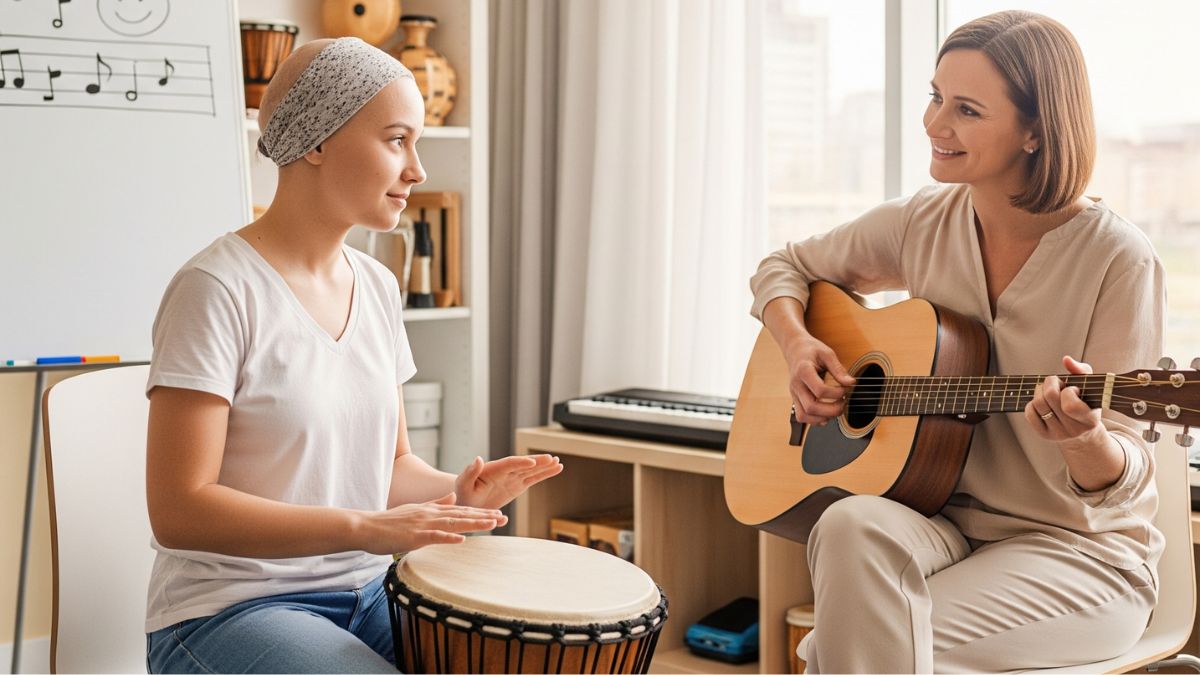
Music therapy is emerging as a powerful, evidence-based tool in cancer survivorship care. A recent MSK study finds it as effective as CBT in managing anxiety with long-lasting benefits through song writing and telehealth delivery. Read here
read more
As cancer survival rates improve, the focus is increasingly shifting to long-term quality of life and with it, the emotional and psychological well-being of survivors. Among the growing field of integrative therapies and music therapy is gaining recognition not just as a mood-lifter but as a clinically effective, long-lasting intervention for anxiety and emotional distress, particularly among cancer patients and survivors.
A recent clinical trial conducted at Memorial Sloan Kettering Cancer Center (MSK) has brought this modality to the forefront, revealing that music therapy can be as effective as cognitive behavioural therapy (CBT), the current gold standard for managing anxiety.
Kevin T. Liou, MD, Integrative Medicine Specialist at Memorial Sloan Kettering Cancer Center (New York) spoke to Firstpost about how music therapy is transforming survivorship care, why song writing can do more than soothe the soul and how integrative approaches are redefining the psychological aspects of cancer care.
Kevin T. Liou: Music is known to affect regions of the brain that regulate mood, energy, and cognition. Music therapy is an evidence-based treatment approach, in which board-certified therapists leverage these qualities of music and guide patients through personalized music experiences to achieve specific therapeutic goals. Growing research shows that music therapy helps with a wide range of physical, psychological, and cognitive symptoms beyond simply improving mood. As a non-pharmacological modality, music therapy can be particularly a good option for cancer survivors who are already taking a lot of medications or those who have concerns about side effects or drug interactions. Since music is found in many cultures and societies around the world, music therapy has unique potential to resonate with people from all types of backgrounds.
Can you share what the results revealed about music therapy’s effectiveness in managing anxiety?
Kevin T. Liou: Our recent clinical trial at MSK enrolled 300 cancer survivors who were experiencing anxiety. The findings demonstrated that music therapy is just as effective as cognitive behavioural therapy (CBT), the current gold standard treatment, in reducing anxiety. What is especially noteworthy is the durability of these benefits, which were sustained for up to four months post-treatment.
The MSK study introduced song writing into therapy sessions, which seems to go beyond passive listening. What role did collaborative music-making play in sustaining the therapy’s benefits over time?
Kevin T. Liou: In prior research, most music therapy approaches for anxiety involved receptive activities, such as music-guided relaxation and guided music listening. These activities are designed to provide temporary relief from ongoing stressors, but the long-term effectiveness of this approach was questionable. A novel aspect of our music therapy approach is the use of more active forms of musical engagement, specifically collaborative song writing. In this type of activity, the patient collaborates with the music therapist to create an original song., including brainstorming themes, drafting lyrics, and composing the melodies. This collaborative and creative process helps to foster social connection and provide safe outlets for processing difficult experiences, which psychological research has shown are two key factors for long-term anxiety reduction.
Given the success of the study, do you believe music therapy should be integrated into standard survivorship care plans? What might that look like in a clinical setting?
Kevin T. Liou: Our trial showed that music therapy is as effective as the gold standard treatment for anxiety. Based on these findings, music therapy should be considered alongside CBT as an effective treatment option for anxiety. In clinical practice, patients can be referred to receive seven weekly telehealth sessions with a music therapist following the treatment protocol used in our study. Since our music therapy approach was standardized, it can be taught to other music therapists who practice in other settings. Also, we showed that music therapy sessions can be successfully delivered via telehealth, so this treatment approach has the potential to reach more people and reduce barriers to access.
How can psycho-oncology interventions be tailored to address the unique psychological, cognitive and emotional challenges faced by older adults with cancer, especially those experiencing functional decline or cognitive impairment?
Kevin T. Liou: This is an active area of research. Cancer symptom management requires individualized treatments, rather than a one-size-fits-all approach. Our next step is to look at the data from our clinical trial to see if there are certain individuals, such as older adults, who respond better to a specific type of therapy. This type of research will help us develop more personalized mental health treatments.
How do evidence-based integrative therapies such as acupuncture, yoga, massage and meditation, complement traditional cancer treatments to alleviate symptoms like pain, nausea, fatigue and anxiety?
Kevin T. Liou: Many integrative therapies are recommended in the joint guidelines from the Society for Integrative Oncology and the American Society of Clinical Oncology for managing anxiety, depression, pain, and fatigue. Addressing these symptoms not only helps improve quality of life but also improves cancer-related outcomes by helping patients stay on their conventional cancer treatments with fewer side effects. Therefore, integrative therapies are a key component of comprehensive cancer care.
How can cognitive behavioural therapy be used to help people manage anxiety and improve emotional well-being?
Kevin T. Liou: Cognitive behavioural therapy is designed to identify the thought patterns and behaviours that trigger anxiety and replace these with more adaptive actions and modes of thinking. It involves learning practical skills that can be applied in daily life to manage worries and cope with stress.
Leave a Reply