
The Best Foods For Brain Health, According To Experts
Most people know which foods to avoid for a healthy heart. Yet, do you often think about the foods you eat and how they affect the brain?
It’s been scientifically proven that diet can influence brain health. “The brain represents about 2% of our body weight, but it consumes about 20% of all of our calories,” said Dr. Robert Melillo, a brain researcher, clinician, autism expert, and founder of The Melillo Center in Long Island, New York. “The brain uses more calories than any other organ in our body; what we eat can have a big impact on our brain.”
Diet and nutrition are essential to keep the brain healthy. “Proper nutrition is the foundation upon which our mental acuity and vitality rest,” said Dr. Brett Osborn, a board-certified neurosurgeon and the chief of neurosurgery at St. Mary’s Medical Center in Jupiter, Florida. “Just as we care for our bodies through exercise and a balanced diet, nurturing our brains through the right foods is essential for a vibrant and youthful mind.”
Although scientists still don’t know what causes Alzheimer’s disease, a type of dementia, many think diet and environmental factors play a role. One study in the journal Neurology, published in November 2022, showed that increasing foods high in flavonoids showed it lowered the chances of developing dementia.
“The two major groups of factors driving Alzheimer’s are reduced energetics —blood flow, oxygen saturation, mitochondrial function and ketones — and increased inflammation from various pathogens, toxins and metabolic disease,” explained Dr. Dale Bredesen, a neuroscience researcher and neurodegenerative disease expert. “Diet and environmental factors impact both energetics and inflammation, by multiple mechanisms, and therefore play key roles in both Alzheimer’s and treating cognitive decline.”
According to Dr. Philip Gold, the chief of neuroendocrine research and senior investigator at the National Institute of Mental Health, “The key positive environmental influences include exercise, which is extremely important, level of education, and cognitive ‘exercise’ throughout life.” Getting sufficient sleep is also key. “Adequate sleep is also critical because, in part, it is during sleep that the brain repairs itself,” he said.
Regularly eating foods that are not good for you can have negative consequences on both the body and the brain. “An unhealthy diet may negatively impact gut microbiota, leading to inflammation and potentially influencing the brain,” Osborn said. “Obese people ― most of whom have an unhealthy gut microbiome ― are at a marked risk for the development of Alzheimer’s dementia,” he added.
So which foods are the most beneficial for brain health? The experts break it down below.
Claudia Totir via Getty Images
Avocado
Love eating guacamole, mashing avocado on toast or dicing it into a salad or rice bowl? Avocados have healthy monounsaturated fats, and according to Bredesen, “These help to reduce vascular disease, and provide excellent energy for the brain, without the problems associated with simple carbs or saturated fats.”
Broccoli
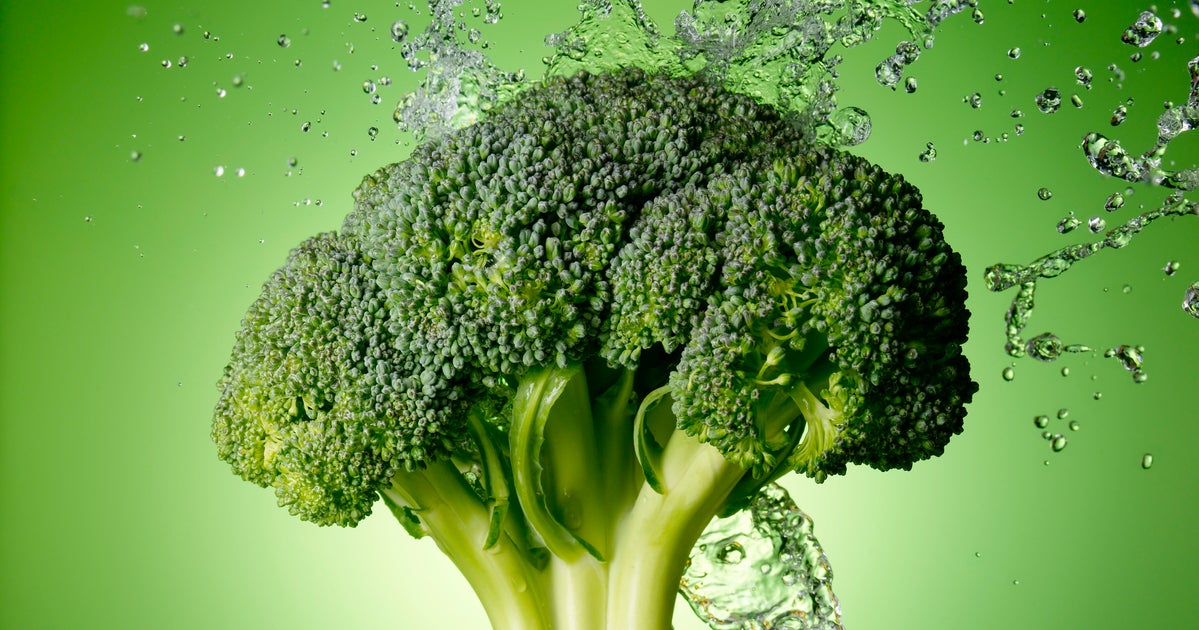
Whether you like broccoli steamed with melted cheese on top, in stir-fries or as a veggie you sneak into your smoothie, you may want to find more ways to enjoy this crunchy vegetable.
“Broccoli is a cruciferous vegetable that contains compounds like sulforaphane, which have been linked to reduced inflammation and improved brain health,” Osborn said. A 2019 study published in the journal Brain Circulation shows sulforaphane is an important antioxidant, and has anti-inflammatory properties that shows potential to protect the nervous system and reduce the burden of pervasive diseases on the body.
Blueberries
If you like to add blueberries to your morning bowl of yogurt, your brain will thank you. “Blueberries contain flavonoids, which are neuroprotective and have been shown to increase neuroplasticity and cerebral blood flow,” said Lynn A. Schaefer, Ph.D, a board-certified clinical neuropsychologist in Long Island. A randomized, double-blind placebo-controlled study published in Nutritional Neuroscience in 2022 showed older adults who consumed wild blueberries had an increase in processing speed, suggesting blueberries may slow down cognitive decline.
And these small berries are full of antioxidants, including anthocyanins. Osborn says anthocyanins can “help protect the brain from oxidative stress and inflammation.” He eats blueberries daily, either in a smoothie or on top of a salad.
Eggs
Eggs are known for being a good protein option, especially for those who are vegetarian or follow a plant-based diet. And there’s another reason to celebrate eggs: the yolk contains choline. Choline is an essential nutrient and important to produce acetylcholine.
“Acetylcholine is a neurotransmitter that is very important for the parasympathetic nervous system, and important for memory,” Melillo explained. Choline is found in different foods, but the highest concentration is in egg yolks. According to Gold, “Critical to normal cognition, acetylcholine neurotransmission is pronouncedly decreased in Alzheimer’s disease.”

Claudia Totir via Getty Images
Fatty fish
Salmon, sardines and mackerel are examples of fatty fish that contain omega-3 fatty acid. “These essential fats are crucial for maintaining brain health and have been linked to improved memory, mood regulation, and reduced risk of cognitive decline,” Osborn said. Omega-3 fatty acids are also important for creating new nerve cells and protecting brain cells from damage, according to Gold.
Leafy greens
Doctors and nutritionists encourage patients to eat more leafy greens because they are packed with nutrients. “Leafy greens such as spinach and kale are packed with vitamins, minerals and antioxidants,” Osborn said. “They promote healthy brain function by reducing inflammation and improving cognitive performance.” Magnesium is an important mineral in leafy greens — Melillo says it helps relax the body, lowering blood pressure and the effects of stress.
Tuna
Tuna is a low-fat fish and contains the amino acid tyrosine, an important component for producing neurotransmitters in the brain. “Tyrosine is used for making dopamine and norepinephrine, two of the main neurotransmitters in the brain,” Melillo explained. “Dopamine is more of a left brain neurotransmitter and norepinephrine is more of a right brain neurotransmitter.” Tuna also contains high concentrations of creatine. “Creatine facilitates the entry of water into brain and muscle cells to prevent their dehydration,” Gold said.
Turmeric
Spices provide plenty of flavor and as a bonus can have important compounds that the body needs. Turmeric is a common ingredient that is grated or chopped fresh, or used as a powder in curries. “Turmeric, which contains curcumin, is remarkable in that it has anti-inflammatory effects, and also binds to both the amyloid and tau associated with Alzheimer’s disease, so it has multiple mechanisms to support brain health,” Bredesen said.
A study published in the journal Molecules in February 2023 showed curcumin to be antimicrobial and neuroprotective in a variety of neurodegenerative diseases, including Alzheimer’s disease.
Ginger
Another spice used in both fresh and powdered form is ginger. “Ginger is a potent anti-inflammatory agent that has been shown to enhance cognitive function,” Osborn said. “The antioxidant effects are also thought to protect neurons against oxidative stress that underpin neurodegenerative diseases, such as Parkinson’s and Alzheimer’s disease.”
Ginkgo biloba
Ginkgo biloba is known to enhance memory and cognitive function. “It is believed to improve blood flow to the brain and protect brain cells from oxidative damage,” Dr. Osborn. “Some research supports its potential benefits in age-related cognitive decline.”
Fermented foods
Fermented foods, such as kimchi, kefir, kombucha, sauerkraut and yogurt may also be beneficial for the brain. “Research has established that the brain and gut communicate through the nervous system as well as through the immune system,” Schaefer said. “Therefore, changing the bacteria in the gut with probiotics and prebiotics, and not overdoing antibiotics, may play a role in improving brain functioning.”
According to Osborn, “Foods that cultivate a healthy microbiome will likely serve as ‘medicines’ to remedy or slow the onset of all age-related diseases, including those affecting the brain.”
Leave a Reply